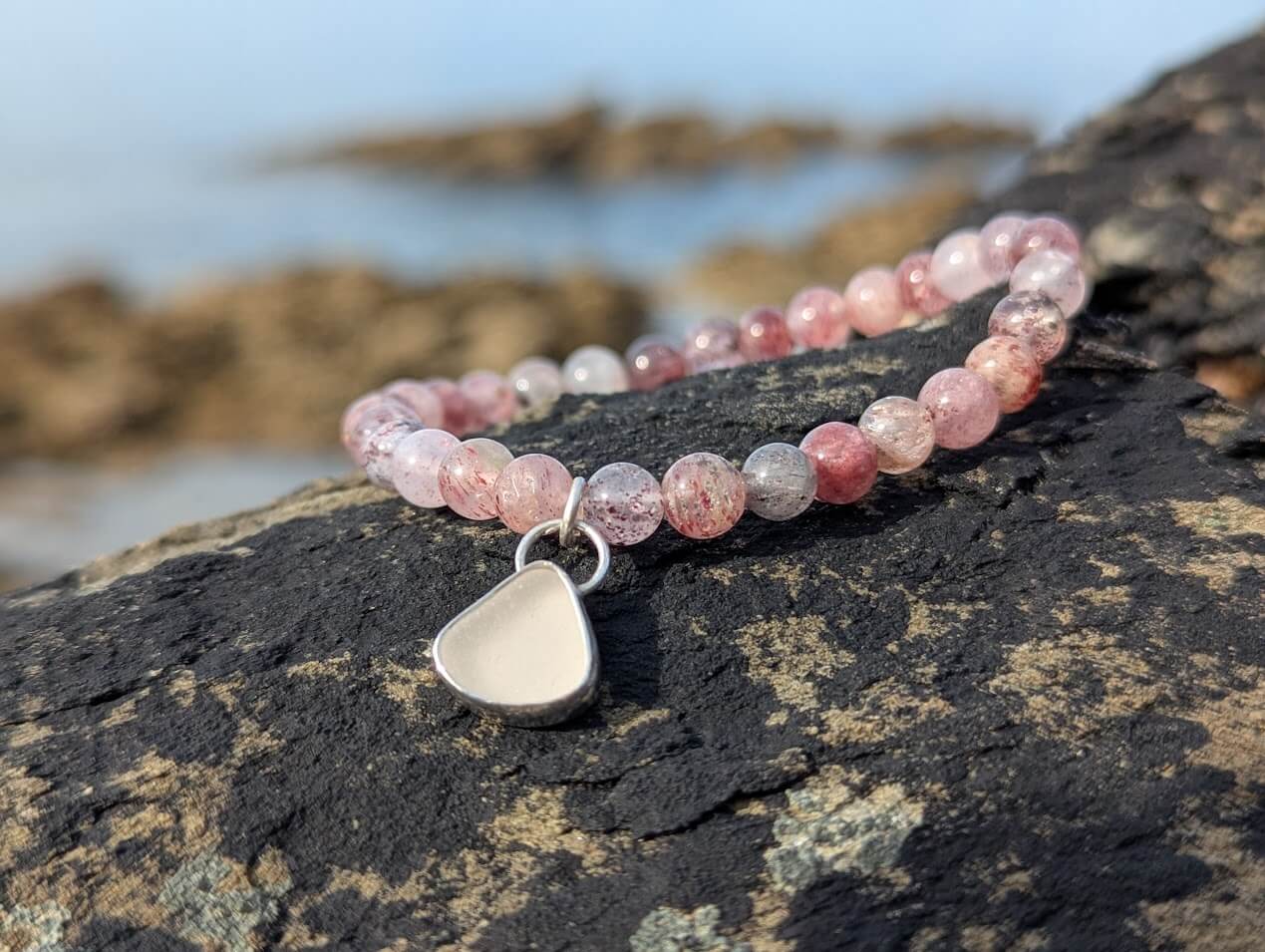
Why is Sea Glass so special?
Have you ever wondered what those beautiful, frosted pieces of glass scattered along the shoreline actually are? Sea glass is one of the ocean’s most fascinating treasures. It begins its life as ordinary glass—a bottle, jar, drinking glass, or other household item—that eventually finds its way into the sea.
Over decades, and sometimes even centuries, the constant motion of waves, tides, and sand gradually transforms these discarded fragments. Sharp edges are worn away, and the glass develops the smooth, frosted finish that makes sea glass so distinctive. Every piece is unique, shaped entirely by nature.
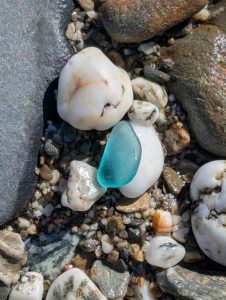 Sea glass can be found in a variety of colours. The most common are white, brown, and green, which typically come from everyday bottles and containers. More experienced beachcombers, however, know the excitement of discovering a rarer colour such as cobalt blue, turquoise, red, yellow, or even orange. Each fragment is a tiny reminder of the ocean’s remarkable ability to turn something discarded into something beautiful.
Sea glass is more than just a pretty beach find—it represents a remarkable journey through time. What started as a broken piece of glass may have spent 30, 50, or even 100 years being shaped by the sea. The relentless tumbling of waves against sand and rocks slowly polishes every surface, creating the smooth texture and frosted appearance that collectors love.
No two pieces are ever exactly alike. Each one has its own shape, colour, and history, making every discovery feel like uncovering a small hidden treasure. Whether you’re an avid collector or simply enjoy walking along the beach, finding sea glass creates a tangible connection to the ocean, history, and the incredible power of nature.
Rare Colours of Sea Glass
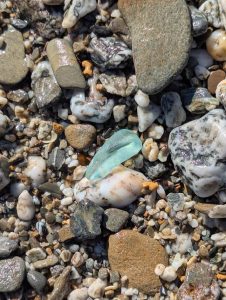 While white, brown, and green are the colours most commonly found on beaches, the rarer shades are especially prized by collectors because of their scarcity and fascinating origins.
Red sea glass is one of the most sought-after finds. It often comes from old ship lanterns, antique car tail lights, or decorative glassware, making it exceptionally rare.
Orange sea glass is even more elusive and is believed to originate from vintage warning lights, decorative art glass, or specialised glass products. Finding a piece is considered a once-in-a-lifetime discovery for many collectors.
Other uncommon colours include:
- Yellow – Often from vintage tableware or decorative glass, and occasionally from Vaseline glass.
- Turquoise and teal – Commonly linked to Victorian-era seltzer bottles, insulators, and decorative glassware.
- Cobalt blue – Usually from old medicine bottles, poison bottles, or mineral water containers.
- Lavender or amethyst – Originally clear glass that has turned purple after decades of exposure to sunlight, due to manganese once used in glassmaking.
- Black sea glass or Pirate Glass– Usually very dark olive green or brown glass from centuries-old wine, beer, or spirits bottles that appears black until held up to the light.
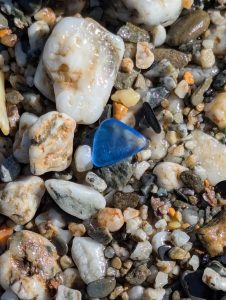 These rare colours are more than beautiful beach treasures—they are small pieces of history. Each fragment has survived decades of ocean tides, carrying with it a story of its past life before nature transformed it into the frosted gem found along the shore.